
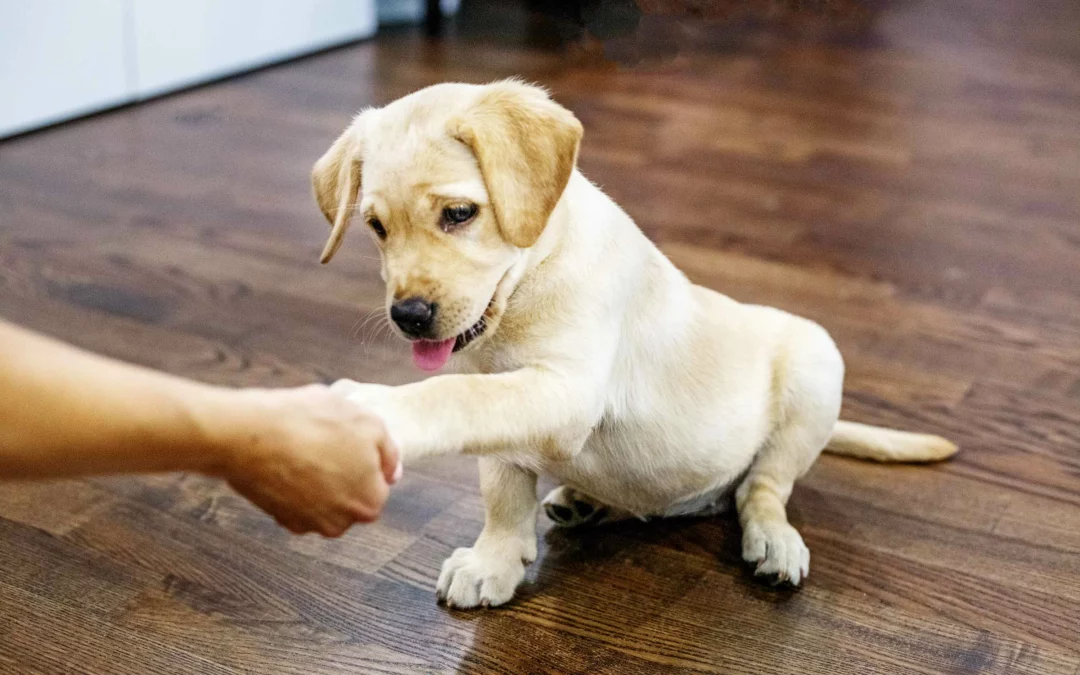
January is Train Your Dog Month, and there’s no better time to start working on one of the most common challenges dog owners face: leash manners. If your dog tends to pull, zig-zag across the sidewalk, or gets overly excited on walks, you’re not alone. The good news? With just 10 minutes a day, you can help your dog become more calm, confident, and well-behaved on walks.
Training doesn’t have to mean long, stressful sessions. By keeping it short and consistent, you can make real progress without overwhelming your dog or yourself.
Why Leash Manners Are Worth the Effort
Leash pulling isn’t just frustrating. It can actually be dangerous for both dogs and their humans. Dogs that pull constantly may injure their neck or trachea, especially if they wear a collar instead of a harness. Owners can also trip or strain their arms, especially with large or powerful dogs.
Even more, poor leash behavior often leads to fewer walks, which affects your dog’s physical and mental health. When walking becomes a tug-of-war, it’s no longer fun for anyone. Good leash manners make it easier to give your dog the daily enrichment they need, which supports their behavior and overall wellbeing.
What You’ll Need to Get Started
Before you begin, you’ll want to gather a few simple tools:
- A 4-6 foot leash (avoid retractable leashes for training)
- A front-clip harness or head halter for better control
- Small, soft treats your dog loves
- A treat pouch or pocket
- A quiet space to begin practicing (your driveway, backyard, or hallway)
Some dogs may also benefit from calming aids while they learn, especially if they get overly excited or anxious. You can explore options through our online pharmacy, or talk with our veterinary team at Minnesota Veterinary Hospital about safe products that support relaxation during training.
The 10-Minute-a-Day Leash Training Plan
Here’s how to make the most of a short daily routine. Try to practice at the same time each day to build a habit.
Minutes 1–2: Start with Calm Behavior
Before you even step outside, ask your dog to sit or wait calmly while you attach the leash. Reward stillness with a treat. If your dog jumps or spins in excitement, pause and wait for calm behavior. This helps set the tone for the walk.
Minutes 3–5: Take a Few Steps and Reward Focus
Begin walking slowly in a quiet area. Watch your dog’s position. If they walk beside you and check in (even briefly), reward that with a treat and praise. You’re teaching them that staying close and paying attention to you gets rewarded.
Minutes 6–8: Teach ‘Stop and Wait’
If your dog pulls ahead, stop walking. Wait for the leash to loosen or for them to turn toward you. When they do, praise and move forward again. This teaches them that pulling makes the walk stop, but staying near you keeps it going.
Minutes 9–10: End on a Positive Note
Wrap up with a simple cue your dog knows, like “sit” or “touch,” and offer a final treat. Keep the mood upbeat and finish before your dog loses focus. This helps your dog end on a win, making them more eager to train again tomorrow.
Common Mistakes to Avoid
Training is a process, and mistakes are part of learning. Here are a few things to avoid:
- Pulling back on the leash: This often creates a “tug” reflex in dogs, making them pull even more. Instead, stop and wait for them to come back to you.
- Letting them pull to get to what they want: If your dog pulls to reach a tree, another dog, or a person and you allow it, they learn that pulling works.
- Training too long: Going beyond 10 minutes can lead to frustration or boredom. Keep sessions short and enjoyable.
When to Ask for Help
Some dogs need more support than a daily routine can provide. If your dog shows signs of leash reactivity, fear, or aggression, or if you’re just not seeing progress, don’t hesitate to ask for help.
Our veterinary team at Minnesota Veterinary Hospital in Shoreview, MN can assess your dog’s behavior and recommend next steps. We may suggest a professional trainer, behavior consult, or even look into whether anxiety or pain is playing a role in their behavior.
We’re here to support your training journey and make walks a better experience for both of you.
Small Steps, Big Wins
Leash manners don’t happen overnight, but they also don’t have to be complicated. With just 10 minutes a day, you can build trust, improve communication, and make walks more enjoyable for both you and your dog.
If you need help choosing the right harness, leash, or calming aid, visit our online store or give us a call at (651) 484-3331. Our veterinary team at Minnesota Veterinary Hospital is happy to help.
Whether your dog is a puppy just learning the ropes or an adult dog in need of a refresher, Train Your Dog Month is the perfect time to start something new. Small steps, taken daily, can lead to big wins.